What Happens During a Re-Recording Mix
A re-recording mix brings dialogue, effects and music into balance while shaping a soundtrack that remains clear across its intended delivery formats.
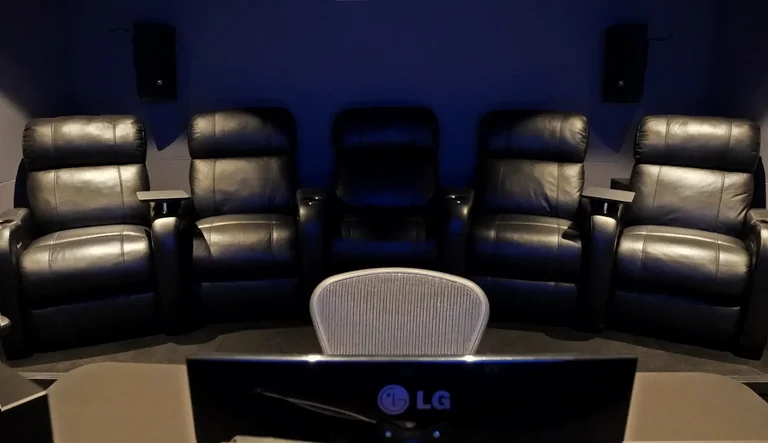
The session begins with organization and dialogue
Before detailed balancing begins, the mixer organizes the session around the picture, delivery requirements and material supplied by editorial. Tracks are routed, sync is checked and technical problems are identified. This preparation creates a stable foundation for the creative decisions that follow.
Dialogue usually receives close attention because it carries so much of the story. The mixer works through edits, level differences, room tone and unwanted noise, aiming for speech that sounds continuous and intelligible from shot to shot. Cleanup should support the performance rather than make voices sound unnaturally processed or disconnected from the scene.
Effects establish place, action and perspective
Production effects, designed effects, backgrounds and Foley are shaped to create a coherent world around the dialogue. Backgrounds can make separate shots feel like one location, while specific effects clarify movement and action. The objective is not simply to add more sound; it is to choose and balance sounds that serve the picture.
Perspective matters as much as selection. A sound may need to feel close, distant, interior, exterior or filtered by an obstacle. Level, equalization, dynamics and reverberation can all help establish that relationship. The mixer also leaves room for important story details instead of allowing every element to compete at the same intensity.
Music is balanced against the scene
Music may provide pace, emotion, continuity or contrast, but its role can change from moment to moment. During the mix, cues are placed and shaped against dialogue and effects so the intended musical arc survives without obscuring essential information.
Available stems can provide additional flexibility, while a stereo cue may call for a more restrained approach. Transitions, entrances and endings receive particular attention because a technically correct balance can still feel awkward if the musical edit draws attention to itself.
The soundtrack is monitored as a complete experience
A mix is more than a collection of individually polished tracks. The mixer listens through scenes and complete sections to judge momentum, contrast and continuity. Loud moments need enough impact, quiet moments need enough detail, and transitions should feel intentional rather than accidental.
Monitoring also depends on the intended format and playback environment. Stereo and surround presentations require different checks, and any additional delivery versions should be reviewed against their own specifications. The goal is a soundtrack that translates reliably without losing its creative priorities.
Reviews lead to revisions and deliverables
An approval mix gives the creative team a concrete version to review. Useful notes identify the location, the element involved and the desired change. The mixer then addresses those notes while watching for unintended effects on surrounding scenes.
After approval, the session is prepared for delivery. Required masters, stems and alternate versions are exported and checked against the agreed specification. File names, channel layouts, start points and durations matter here: a careful final check ensures that the approved soundtrack arrives in a form the next department can actually use.